
Sustainability in Beekeeping and the Environment: Protecting Bees for Future Generations
The decline in bee populations poses a major threat to the ecosystem and agriculture. Sustainable beekeeping practices are of critical importance for the protection of both bees and nature. While factors such as the effects of pesticides, climate change, and habitat loss negatively affect bee health, it is possible to overcome these problems with conscious beekeeping methods.
What is Sustainable Beekeeping?
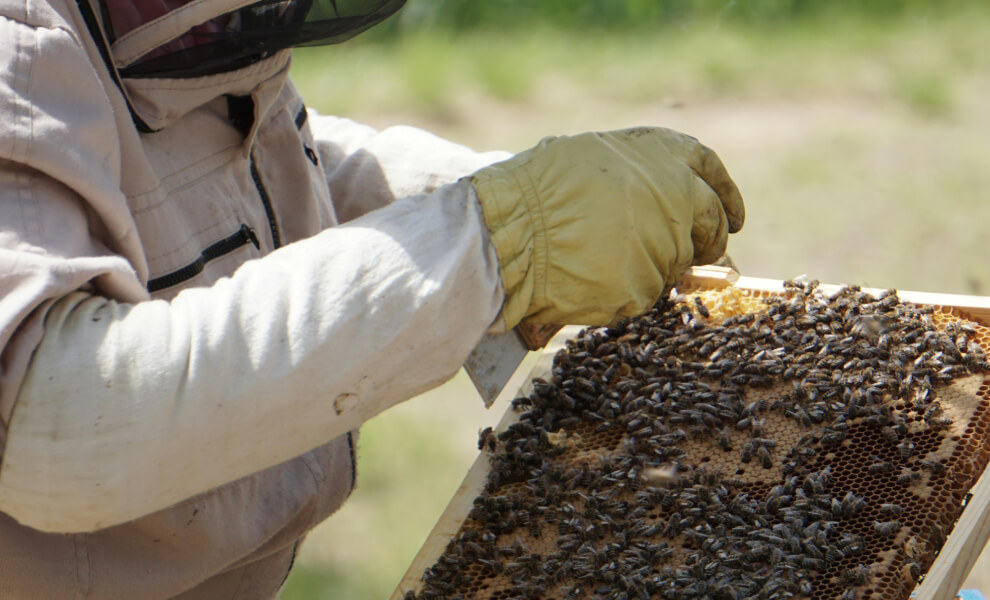
Sustainable beekeeping aims to produce honey and bee products without harming the environment, while protecting the health of bee colonies. Minimizing the use of chemicals, protecting natural habitats, and supporting biodiversity are the cornerstones of sustainability.
Effects of Pesticides and Environmental Factors on Bees
- Pesticides: One of the main causes of bee deaths. Natural and organic farming practices should be preferred.
- Climate Change: Shifts in flowering periods and extreme weather events make it difficult for bees to feed.
- Habitat Loss: Expansion of agricultural land narrows natural habitats and reduces bee populations.
The Role and Protection of Bees in the Ecosystem
Bees are indispensable for the continuation of agricultural production and biodiversity by enabling the pollination of plants. Protecting bees is necessary not only for honey production but also for the health of the entire ecosystem. Increasing flower diversity, reducing pesticide use, and creating bee-friendly areas are among the measures that can be taken.
"Protecting bees is protecting our future and the balance of nature. Sustainable beekeeping is essential for a healthy environment."
Conclusion
Sustainable beekeeping and environmental awareness are of great importance for the future of both bees and humanity. Everyone must do their part to preserve the natural balance and increase bee populations. Remember, without bees, there is no life!


